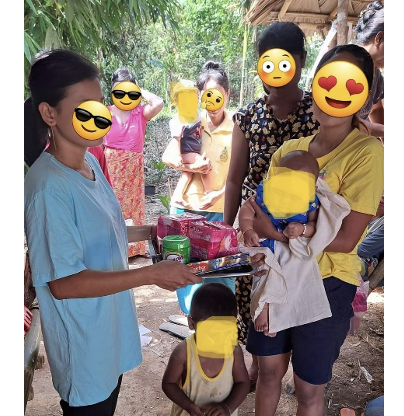
Pregnant women and newborns in the internally displaced person (IDP) camps in the Tanintharyi Township in Tanintharyi region have still not received any vaccinations three years after the military coup, according to people providing assistance and healthcare to the IDPs.
After the coup, restrictions were imposed on the import of medicines into the IDP camps in Tanintharyi. Although vaccines are available in Tanintharyi town, which is about two miles away from the IDP camps, locals cannot reach there to get vaccinated for security reasons, health providers said.
In the three years since the coup, only the DTP vaccine could be administered to newborns and pregnant women in these camps, according to a health provider from Nway Oo Myittar, an IDP healthcare team.
“Since the conflict started, even though we have a station hospital in our area, we haven’t been able to get medicines. They can get vaccinations in their respective area, but because there are soldiers there, people in our area don’t dare to go there. We have many children who haven’t been vaccinated once in three years. We can only give the DTP vaccine to newborns and pregnant women. Even the children we have delivered don’t have birth certificates,” they said.
Normally, infants up to the age of 18 months should receive 12 different vaccines and an additional cervical cancer vaccine, for a total of 13 vaccines, according to Health Ministry’s guidelines.
Because there is currently no access to vaccinations, most children are at risk of measles and hepatitis, and their immune systems are compromised, according to an IDP healthcare provider.
“About a year ago, there weren’t many pregnant women. Now there are many more children. We can’t provide prenatal vitamins. There are about 40 children and mothers,” said the officer in charge of Twel Let Nyi Nyi IDP support group, which provides assistance in the displacement areas.
There are about 300 families living in these IDP camps in Tanintharyi Township, most of them pregnant women and young children. However, health care providers say they’re unable to provide adequate health care and nutritional support.
Besides vaccines, they have difficulty ordering other medicines and food through various channels. This month, they’re facing medicine shortages due to restrictions imposed by the military junta, while they’re struggling with outbreaks of diarrhea and malaria.
According to the Ministry of Health of the National Unity Government (NUG), nearly three million children from newborn to five years old in conflict-ridden areas have not had access to vaccinations since the military takeover.
Sent by IMNA.