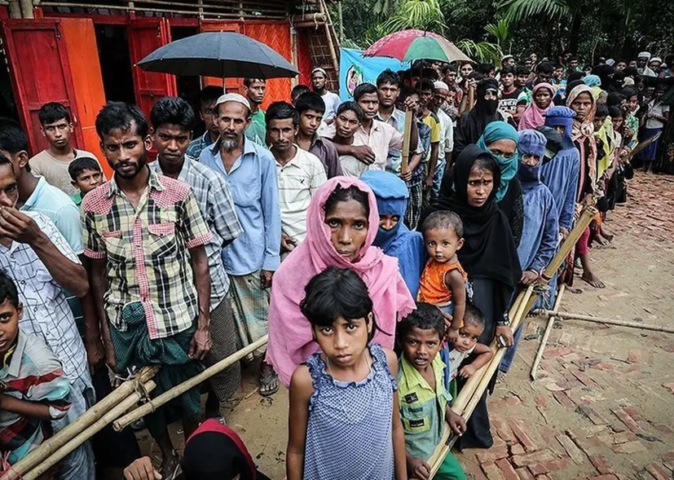
ASEAN Parliamentarians for Human Rights (APHR) has voiced serious concern over Malaysia’s announcement that Myanmar has agreed to take back around 5,000 Rohingya currently in Malaysia, warning that any return to Myanmar under present conditions would place lives at grave risk, according to a press release on 30 July.
Prime Minister Anwar Ibrahim said Myanmar had agreed to receive the 5,000 following negotiations, alongside 300,000 Rohingya from Bangladesh, describing it as a breakthrough reflecting strong diplomatic ties with the military-led nation.
“The Rohingya in Malaysia fled persecution, violence, and ethnic cleansing,” said Charles Santiago, Former Member of Parliament for Klang, Malaysia and Co-Chairperson of APHR. “Returning them to the very military that drove them out, while that military still holds power and Rakhine remains a conflict zone, may constitute refoulement.”
The principle of non-refoulement – a binding norm of international law – prohibits returning people to territories where they face a real risk of persecution and serious harm. The Myanmar military, also known as Tatmadaw, that would receive these returnees is the same institution responsible for the 2017 atrocities in Rakhine State against the Rohingya people. Ongoing armed conflict, the absence of citizenship rights, and continued displacement inside Rakhine mean the conditions for safe, voluntary, and dignified return simply do not exist.
APHR also notes the rising tensions between Rohingya refugees and local communities in Malaysia, as the government continues to take action against those who disrupt public order.
“It is troubling to frame the Rohingya as a threat to public order,” said Mercy Chriesty Barends, Member of Parliament in Indonesia and Chairperson of APHR.
“Refugees are not a security problem to be managed, rather they are survivors entitled to protection. Malaysia has long been a place of refuge for the Rohingya. That must not end with people being handed back to their persecutors.”
Mizzima